Millennials get their news and entertainment in a completely different way now. Instead of tuning into CNN or flipping through newspapers, they watch individual creators on social media. And traditional media companies are still trying to catch up to this change.
At the same time, the creator economy hit $250 billion in 2025. What started as teenagers filming videos in their bedrooms turned into a legitimate business model. Now millions of creators earn a solid income through brand partnerships, platform payments, and direct fan support.
Which is why we’re here to talk about how the media trends are moving into 2026. You’ll learn:
- How creators transformed content consumption
- Why AI tools changed everything,
- And the reality behind those success stories nobody talks about.
Let’s get right into the media trends of 2026.
What Media Trends 2026 Tell Us About Millennial Habits
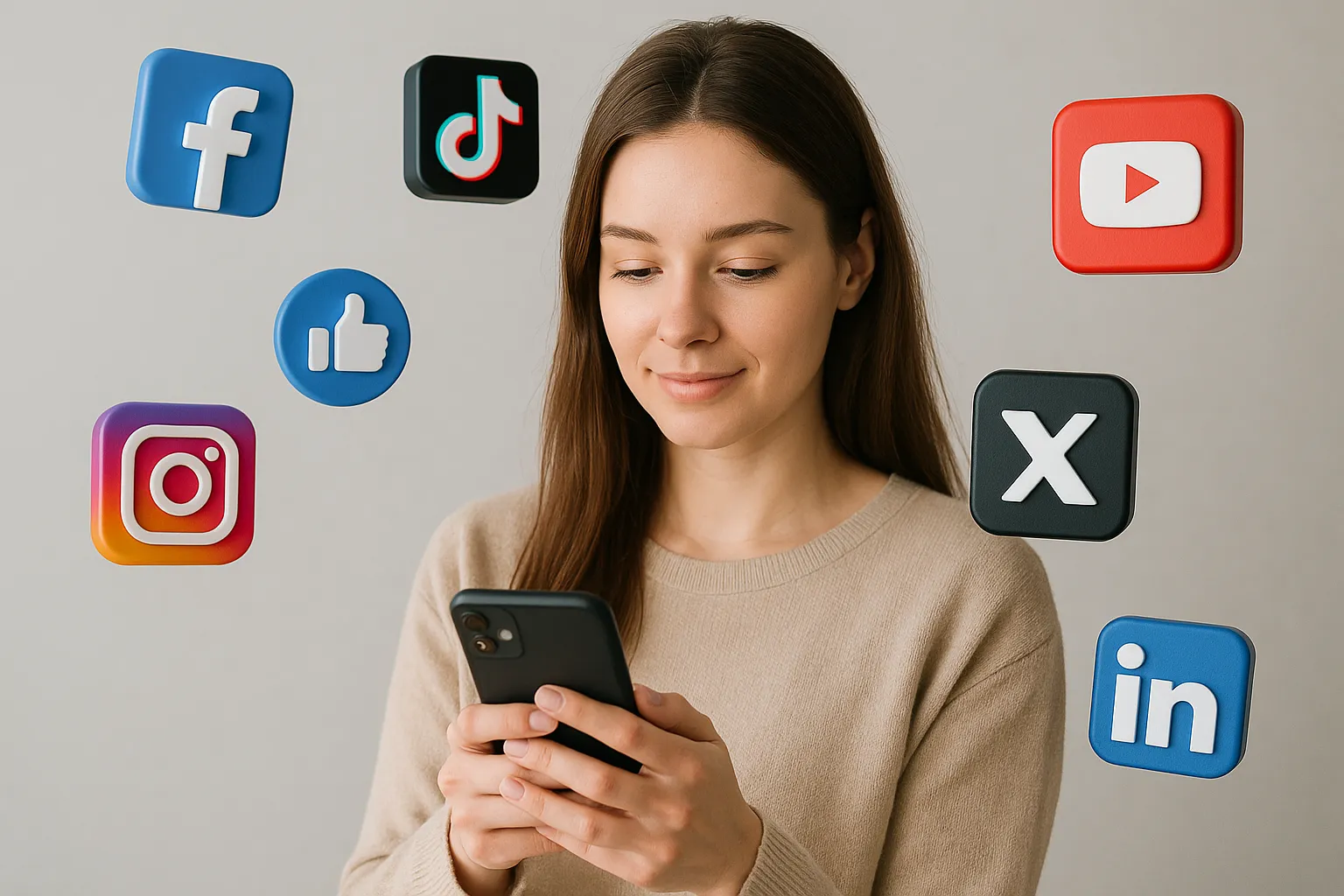
Media trends 2026 tell us that millennials consume most of their content from individual creators instead of traditional news outlets. This change shows a bigger movement in how people trust information and where they spend time online.
Take a look at how millennial habits have changed from the past.
How Social Media Platforms Became Primary News Sources
Millennials now trust TikTok creators more than CNN for breaking news. It sounds wild, but we see how trust in individual creators now exceeds trust in established news organizations among younger audiences.
Social media platforms prioritize creator content because it keeps users engaged way longer than traditional news formats. That’s why when you watch a creator explain a news story, you’re more likely to stick around for the full video. The algorithm notices that behavior and rewards it.
Take the 2024 election coverage as an example. Millions of millennials followed political creators on social media platforms rather than watching debate coverage on major networks.
Average Time Spent on Creator Content vs Traditional Media
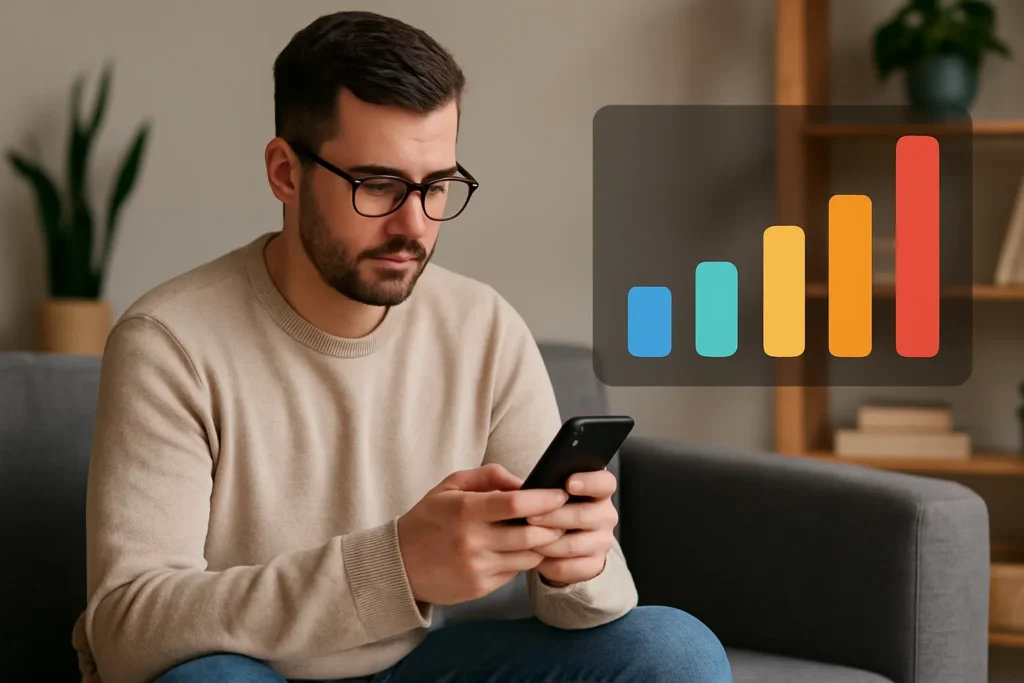
Creator content gives you exactly what you want without sitting through 30-minute news broadcasts. We’ve seen that millennials spend 4.5 hours daily watching creator content compared to just 1.2 hours on traditional TV. That’s nearly four times as much time.
Along with that, platforms like TikTok and YouTube Shorts built entire business models around this behavior. The average time spent per session might be short, but people return multiple times throughout the day.
Another issue is that streaming services now compete directly with individual YouTube channels for attention and subscription dollars. To give you an idea, Netflix worries about MrBeast as much as they worry about HBO.
Search Engines Now Surface Creator Videos First
Ever notice how YouTube videos appear before articles when you search “how to fix a leaky faucet”? That’s no accident. Google search results now display creator videos at the top for most “how to” queries and practical questions.
Video content answers questions faster and more engagingly than text-based articles can for most topics. Basically, you can watch someone actually fix the faucet instead of reading 12 paragraphs about it.
Gradually, search engines learned that users click on creator content more often than traditional website links. Because you’d prefer watching a five-minute video over reading a 2,000-word blog post.
The Creator Economy Powers Millennial Content Consumption
The creator economy lets you choose voices that actually match your interests instead of whatever networks decide to air. That’s the main difference here.
Traditional media gave you three major news channels and a handful of magazines. And now you’ve got millions of creators covering every niche topic imaginable.
This is what the creator economy looks like in 2026.
- Creator Earnings and Trust: Millennials trust product recommendations from creators three times more than traditional advertising or celebrity endorsements. Like, when your favorite YouTube creator talks about a product they genuinely use, it feels different from watching a Super Bowl commercial.
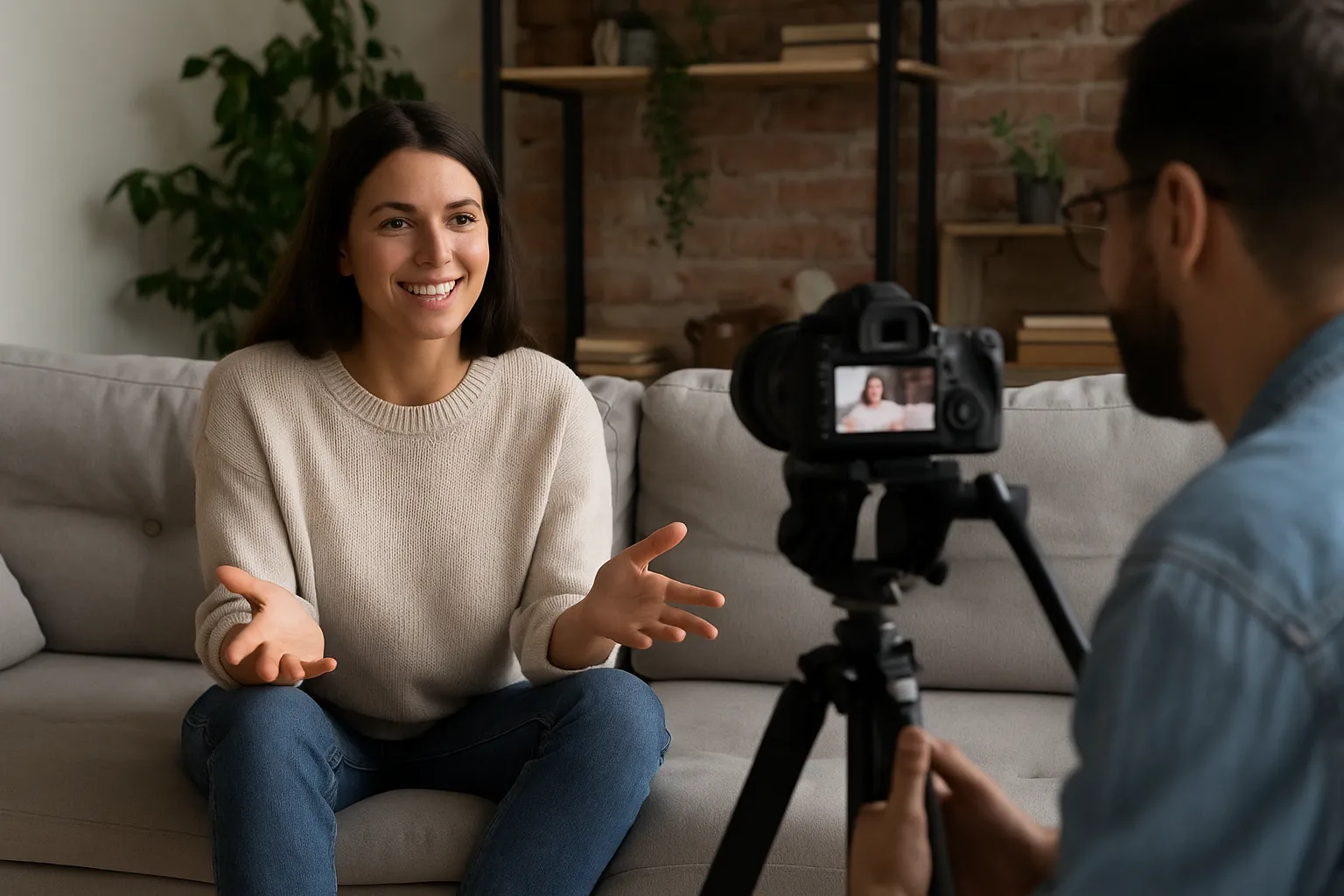
- Lower Barriers: The barrier to entry dropped so low that anyone with a smartphone can build an audience. You don’t need a film crew, a studio, or even professional equipment anymore (even though your parents still don’t understand what you do for a living).
- Niche Success: Niche creators find profitable audiences that traditional media networks considered too small to serve. Let’s say a creator making videos about vintage typewriter repair can earn a full-time income from 50,000 dedicated followers.
- Consistency and Growth: Platform algorithms reward consistent posting schedules. And it is making full-time content creation viable for thousands of creators worldwide. You can post three times a week for six months, and you’ll likely see gradual growth.
- Editorial Independence: The creator economy gave millennials something traditional media couldn’t: complete editorial independence. Now, creators don’t answer to corporate owners or advertisers who might censor their content. They build direct relationships with their audiences and generate revenue through multiple channels.
Because of all these reasons, this business model completely changed how brands think about marketing. Companies now spend billions on creator partnerships instead of traditional ad campaigns.
AI Platforms Rebuild How Creators Produce Content
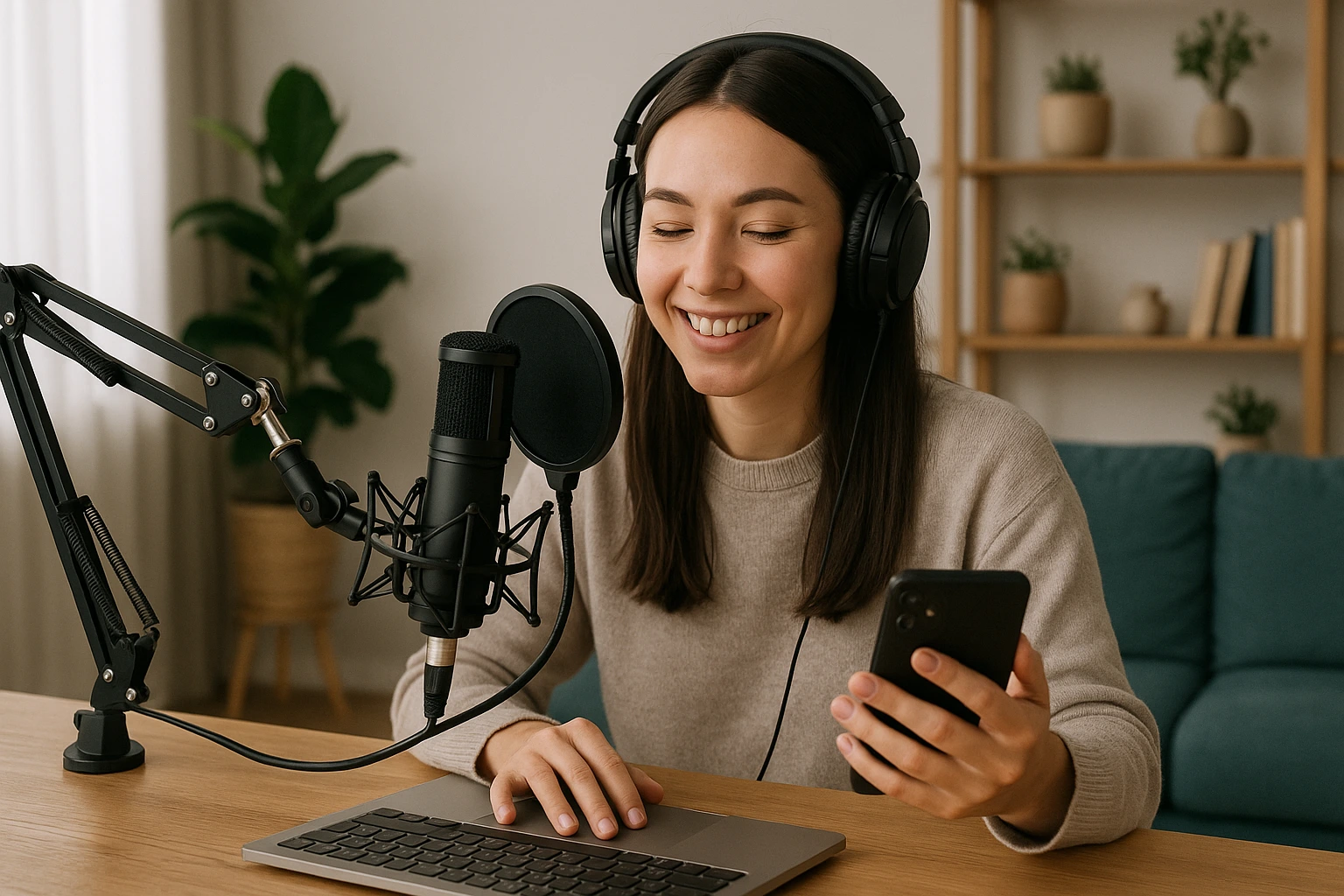
Solo creators now produce studio-quality content that would have cost $50,000 just five years ago. It happened because AI tools let individual creators compete with entire production teams. What used to require expensive equipment and trained professionals is now possible on a laptop.
From our experience, AI tools save creators 15 plus hours per week on editing and let them focus on actual content creation. The time savings alone make them worth using. For example,
- Programs like Descript and Adobe Premiere Pro with AI features automate the tedious work.
- Automated caption generators and translation tools expand creators’ global reach without extra hires.
- AI-powered thumbnail generators and A/B testing boost click rates.
- AI analyzes viewing patterns to suggest content topics that specific audience segments want to see next.
Fun fact: AI editing software can cut video production time from 8 hours down to 45 minutes per piece. All the more reason why creators often integrate AI tools into their workflow from the start.
The Balance Between Automation and Authentic Voice
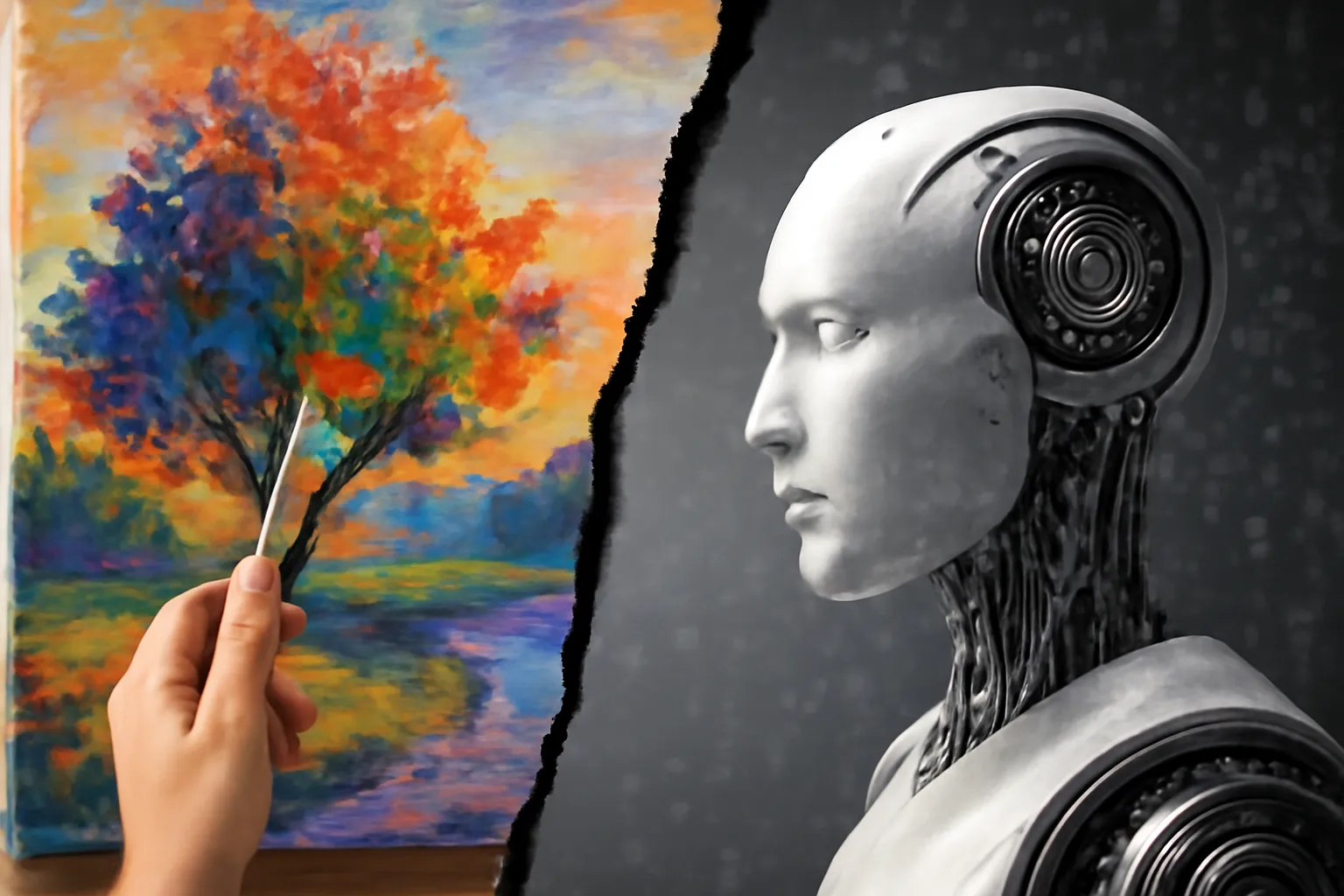
Can you tell when a creator’s using too much AI to write their scripts? Most viewers can spot it within seconds.
Creators using too much AI-generated content see huge drops in engagement as audiences detect inauthenticity fast. The platforms notice it too. In fact, YouTube’s algorithm actually penalizes content that feels robotic or overly automated.
Successful creators use AI for editing and optimization, but keep their actual voice and ideas front and center. Comment sections also quickly call out creators who rely too heavily on AI-written scripts or responses. We’ve seen it happen dozens of times.
Influencer Marketing Reaches the Next Phase of Maturity
Influencer marketing has changed like a slope over the past two years. And brands realized that authentic long-term creator partnerships can outperform expensive one-off celebrity endorsements. Here’s how influencer marketing works:
- Micro-influencers: Influencers with 10K to 100K followers generate six times higher engagement rates than someone with 5 million casual fans. It’s because audiences feel personally connected, and marketers discovered that it actually drives more revenue per post.
- Long-term partnerships: When a creator mentions the same brand across multiple videos naturally, viewers read between the lines and understand it’s a real endorsement. These ongoing relationships create consistent brand awareness that single sponsored posts never achieve.
- Performance metrics: Smart businesses now focus on return on investment rather than just impressions or likes. Something like a beauty brand might track how many viewers use a creator’s discount code and then make repeat purchases.
- Social commerce integration: Viewers now buy directly through creator content without leaving the platform they’re watching on. Instagram Shopping, TikTok Shop, and YouTube’s shopping features removed friction from the buying process. A viewer can go from watching a product review to completing a purchase in under 60 seconds.
This is why companies now allocate billions toward creator partnerships because the return beats traditional ad spending. And influencers became essential marketing channels for reaching younger consumers who’ve learned to ignore banner ads and TV commercials.
Content Gaps: What the Full Report Misses About Millennial Creators
The full report for content creation celebrates success stories while glossing over burnout, financial instability, and mental health costs that content producers face daily. The industry rarely discusses these challenges openly because platforms profit from keeping creators motivated.
Here’s what most reports won’t tell you about the real world of content production.
- Health Challenges: A lot of full-time creators report anxiety or depression from constant pressure to produce engaging content. In fact, most creator economy reports ignore the fact that many full-time creators can’t afford health insurance.
- Algorithm Impact on Income: A single platform algorithm change can destroy a creator’s income overnight with no warning or appeal process (though platforms won’t admit this publicly). We’ve seen what happens when one update to the recommendation system occurs, and creators who earned $10,000 monthly suddenly make $800.
- Financial Struggles: Most creators earn under $50,000 annually despite working 60-hour weeks. Do the math, and you’ll find that’s below minimum wage. To give you an idea, a creator posting daily across three platforms might spend 50 hours weekly filming, editing, responding to comments, and managing partnerships while barely covering rent.
- Lack of Mental Health Resources: Mental health resources for creators remain scarce despite platforms profiting billions from their labor. A quick example is how Instagram made $70.9 billion in ad revenue last year, but offers no support programs for struggling creators.
In short, companies extract value from creator communities while providing minimal resources in return. That’s why millennials are starting to question whether the creator economy is sustainable or just another gig economy trap. In the end, it’s just like the other industries where wealth concentrates at the top, leaving countless content producers fighting for scraps.
Your Next Steps in the Changing Creator Media
The creator world keeps evolving fast, so understanding the major changes helps you make smarter choices. If you’re planning to become a creator, we suggest you start part-time and focus on one platform first. And of course, don’t quit your day job until you’re earning consistent revenue.
For marketers, the focus should be on investing in long-term partnerships with micro-influencers rather than chasing follower counts. The brands seeing real growth are those that choose creators aligned with their values and commit to nurturing those relationships.
And as a consumer, supporting creators directly and appreciating the effort behind “free” content can change their day. In the end, your genuine connections will always outperform any algorithm. If you want to know more about why authenticity beats virality, check out The-M-Age.