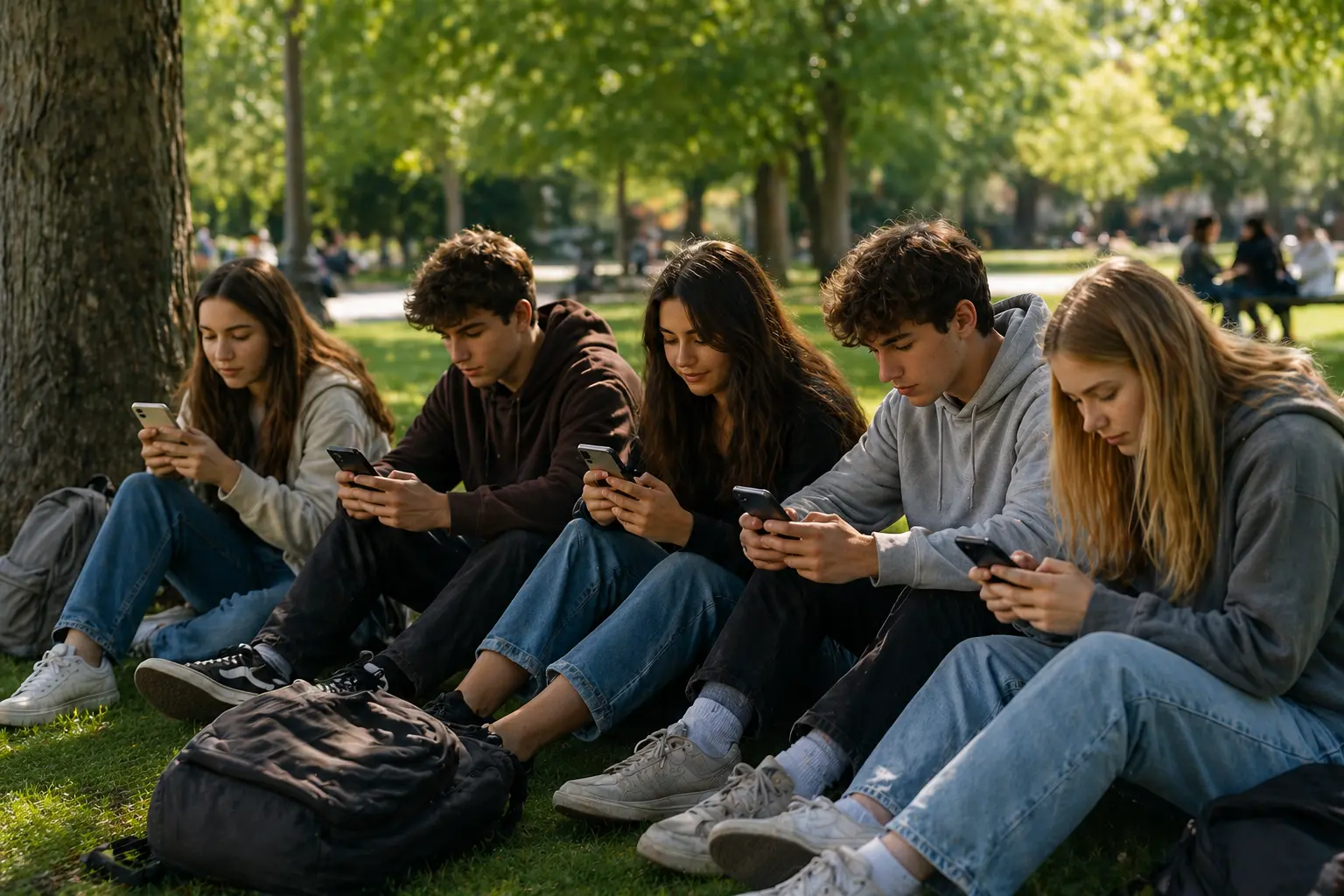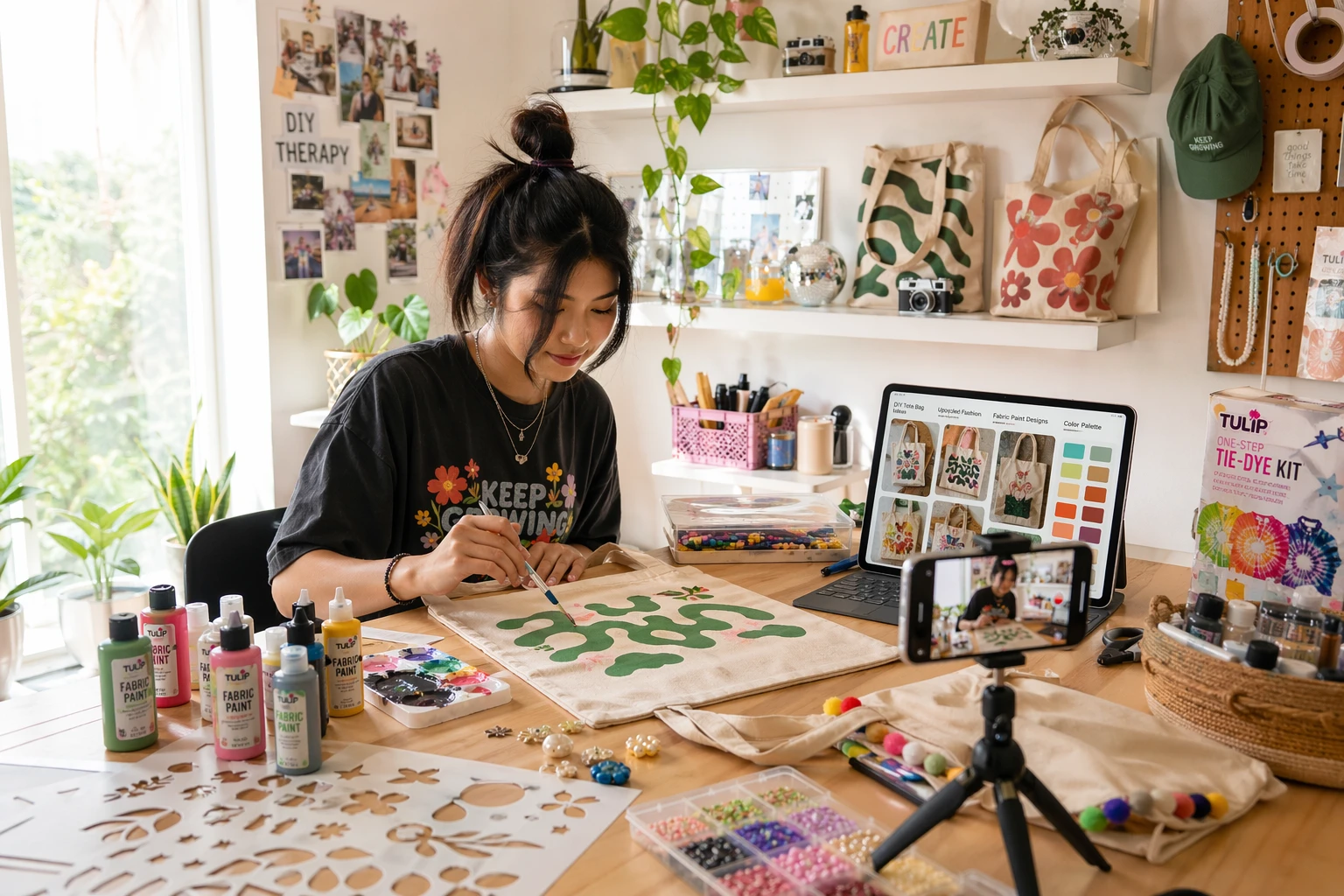
Consumers are no longer satisfied with being passive buyers. Many now want to take part in creating products, experiences, and even brand identity itself. This demand for participation is changing how brands engage with their audiences, as they move away from one-way transactions.
And DIY culture sits at the centre of this change. It encourages hands-on involvement by giving consumers a say in design choices, customisation options, and product development through feedback and collaboration.
As a result, brand engagement is becoming more interactive. Instead of simply selling finished products, companies are building systems that allow consumers to co-create, customise, and actively influence the products they use.
This article explores DIY culture trends and how they are changing consumer behaviour, alongside the growing value of user-generated content for brands. You’ll also know how companies are positioning customers as creative collaborators.
How DIY Culture Is Changing the Way Consumers Engage with Brands
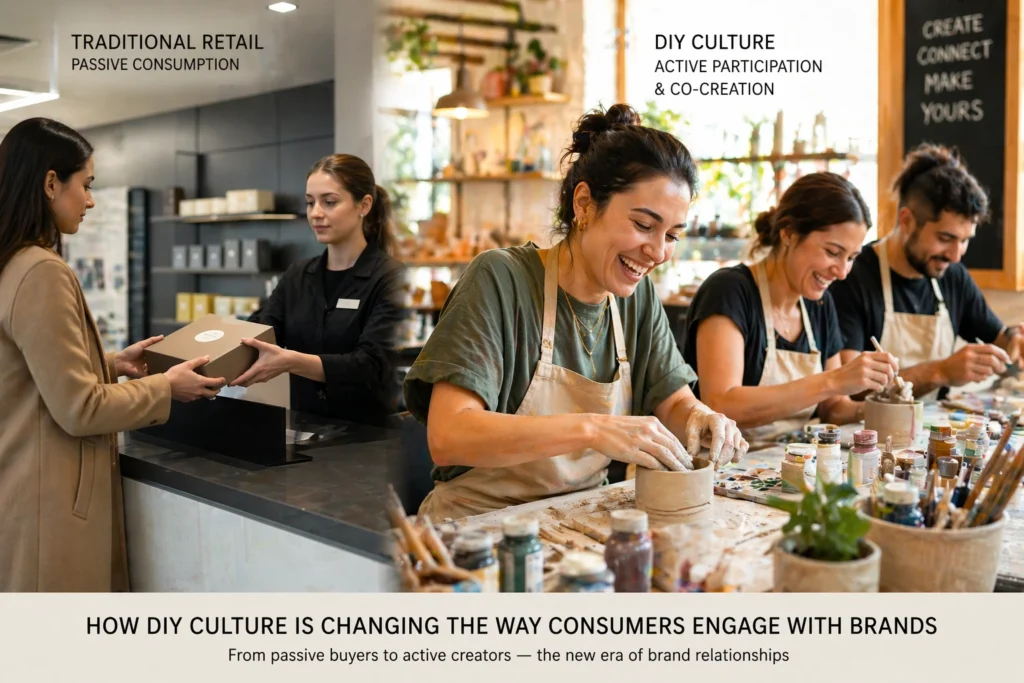
DIY culture is shifting customer engagement from passive consumption to active participation. Millennials and Gen Z now prefer making things themselves because it feels more personal and authentic than buying ready-made products.
According to Future Data Stats, younger consumers use DIY activities as a form of self-expression and creativity. And you can see this trend shows up in most home décor projects on Instagram and skincare recipes shared on TikTok.
Social media tutorials have accelerated this by showing that anyone can achieve professional-looking results at home. When people spend hours creating something with their own hands, they tend to develop connections that run deeper than any polished ad campaign.
That’s why brands can’t rely on broadcasting messages anymore. They need to give customers the tools and space to create, because that’s where real loyalty is built today.
User-Generated Content: The New Currency for Top Brands
User-generated content has become one of the most powerful marketing assets for modern brands. Customers trust real experiences from other users more than polished brand messaging, especially when they can see how a product works in everyday situations.
That credibility gives user-generated content an advantage over traditional advertising in several ways:
- Trust Over Polish: A grainy phone video of someone assembling your furniture often carries more weight than a professional photoshoot because it shows the real experience. Customers tend to trust other customers more than polished brand advertisements or celebrity endorsements.
- Proof That Actually Works: When people share DIY projects using a brand’s products, they create visible proof that the product delivers results. Customer photos and videos become social proof that influences purchasing decisions far more than brand messaging alone.
- Building Brand Advocates: Top brands encourage this sharing by featuring customer creations in their campaigns. The approach builds loyalty because customers feel recognized, and satisfied buyers naturally become brand advocates who create content without being asked.
Brands can’t control their image the way they once did. The upside is that authentic customer content often drives stronger engagement and conversions than traditional advertising.
Social Media Platforms Driving DIY Brand Engagement
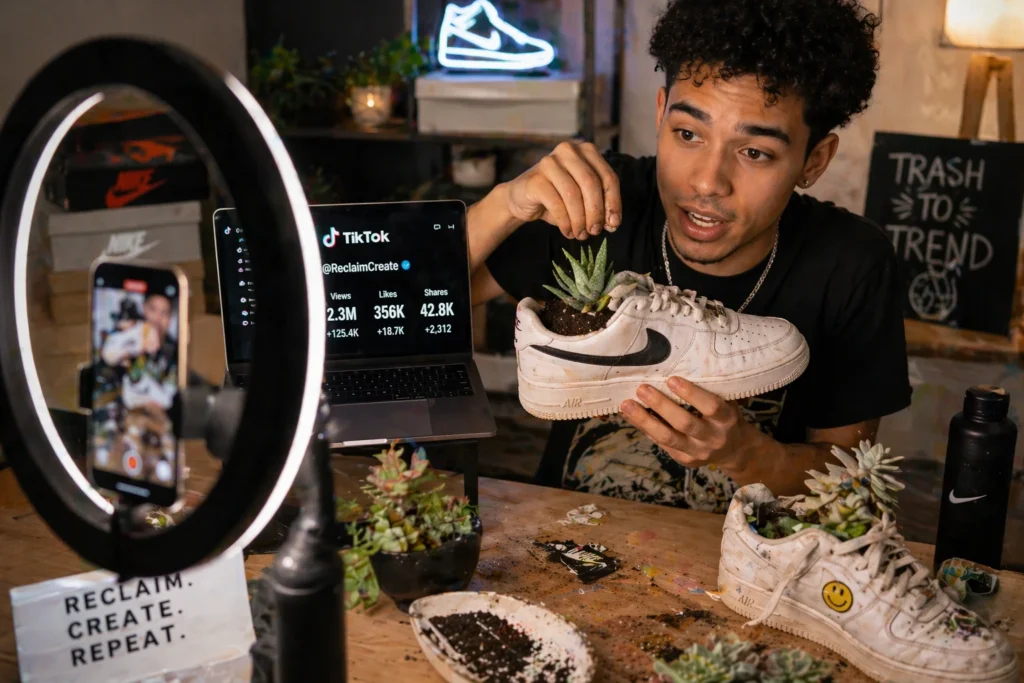
Platform algorithms now determine which brands gain visibility based on how much people want to recreate what they see. For example, on TikTok and Instagram, a 30-second video showing someone repurposing old jeans into a tote bag can generate more brand awareness than a six-figure ad campaign.
This reach is driven by engagement signals. Tutorials and DIY demonstrations that hold attention, get rewatched, saved, or shared are prioritised over polished advertising content. As a result, creator-led content that shows real product use feels more like entertainment than traditional marketing.
These engagement signals now drive visibility on social platforms. Instead of controlling every message, brands are increasingly dependent on creators who already use their products in authentic contexts.
How Brands Are Joining the Movement Through Kits and Workshops
Selling raw materials and instructions instead of finished products might sound backward, but it’s exactly what DIY consumers want. Brands are meeting this demand in two main ways: creating complete product kits that simplify the process and using technology to help customers visualize results before they start.
Offering Complete DIY Kits
Complete kits remove the guesswork by including everything needed in one package. When someone spends hours building something using a kit, they develop a stronger connection to the brand behind it. This time investment makes them more likely to share their results online and recommend the product to others. In our work with brands in Astoria and Long Island City, we’ve seen DIY kits generate repeat customers at rates traditional products rarely match.
Integrating UGC and Augmented Reality Experiences
The hardest part of DIY projects is often imagining the end result. Augmented reality (AR) tools solve this by showing customers how a finished project will look in their actual space before they start.
Brands combine this with user-generated content by showcasing real customer projects within the AR preview experience, which provides both inspiration and proof that the project is achievable. This mix of technology and community validation makes the buying decision easier and more confident, as customers can visualize success before they commit.
Copyright Laws and Brand Authenticity in DIY Culture
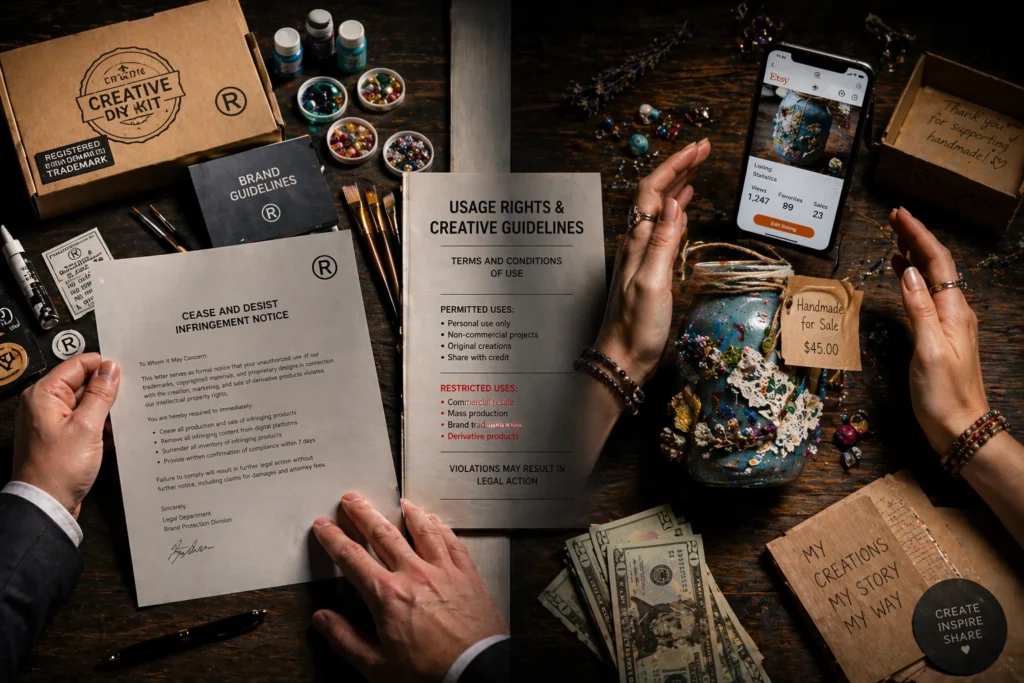
The line between customer creativity and brand ownership gets blurry when someone repurposes a product into something they can sell or monetize. Honestly, copyright laws rarely provide clear answers about who owns a project built using a brand’s kit or tutorial.
So the ambiguity forces brands to define their own rules around how customers can use and share what they create. That includes whether they can sell finished projects or monetise content featuring branded materials.
But legal clarity alone doesn’t resolve the deeper issue. DIY communities are highly sensitive to inconsistency, and they quickly recognise when brands promote creativity while restricting what creators can actually do with their work. That tension can damage brand trust far more than any copyright dispute.
Making DIY Work for Your Brand
DIY initiatives fail when brands treat them as marketing campaigns instead of genuine support for customer creativity. Success means understanding what your customers actually want to create rather than what you think they should make.
Start by building a community space where customers can share projects, ask questions, and inspire each other with their results. This creates stronger connections than traditional content marketing because customers are engaging with each other and not just the brand. Over time, that interaction builds loyalty that drives business growth.
For more on DIY culture and consumer trends, visit The M-Age. We help brands understand how Millennials and Gen Z are changing engagement, so you can adapt your strategy to match how your audience actually wants to connect.