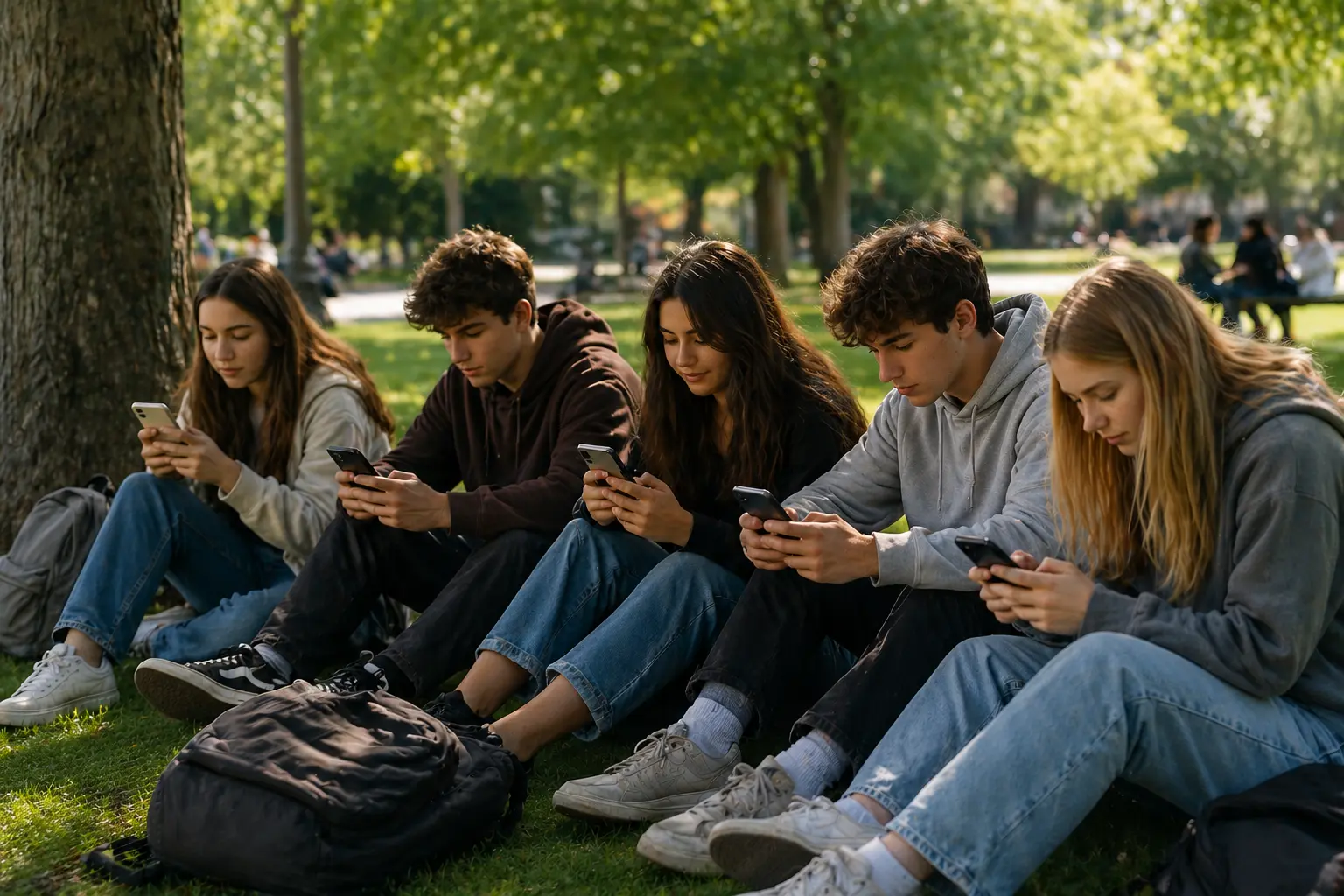
Traditional marketing fails with younger audiences because it uses one-way messaging, ignores digital platforms, and lacks authenticity.
Frankly, billboards and TV commercials were made for older audiences. But marketing to a younger audience today means you’ll handle millennial consumers and Gen Z together. And most of them spend their time scrolling Instagram rather than watching TV.
The reason behind such shifts is that younger generations grew up with social media in their pockets, so they expect brands to be honest with them. If you ignore that, you’ll end up wasting money on ads nobody sees.
In this article, we’ll break down why traditional tactics lose impact with younger consumers and what works to grab their attention online. Ready? Let’s jump in.
The Disconnect Between Old-School Tactics and Digital Expectations
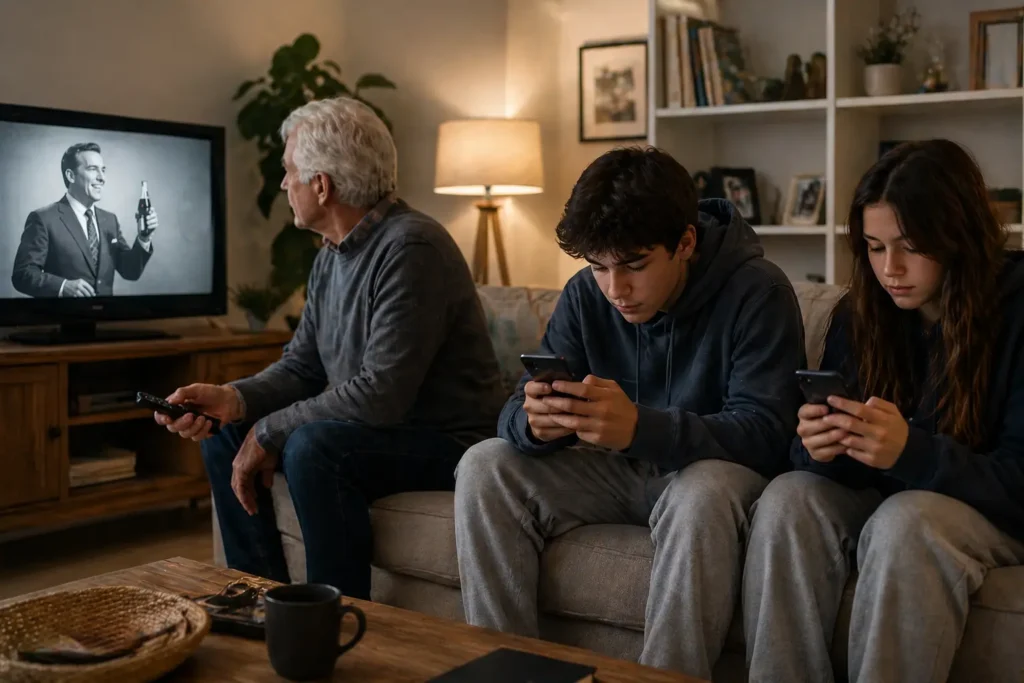
Have you ever wondered why your carefully made TV spots get ignored while a random TikTok video goes viral? Well, the answer comes down to how younger people interact with digital marketing.
Basically, traditional marketing strategies were built for a world where brands controlled the message. But millennial consumers and Gen Z grew up differently. They skip, block, and scroll past anything that feels boring.
And the issue begins with how brands try to communicate in the first place.
Why Younger Consumers Ignore One-Way Messaging
Digital natives (basically, millennials and Gen Z) ignore one-way messaging because they grew up with platforms where they could comment, share, and create content. As a result, one-way campaigns without that level of interactivity fail to hold their attention.
On top of that, these younger consumers use ad blockers, skip pre-roll videos, and scroll past anything on their social media feeds if it feels like a sales pitch (and honestly, they have gotten really good at it). They can even spot these fake brand messages from a mile away.
That’s exactly why any overly scripted influencer ads often receive lower engagement than casual, behind-the-scenes content.
Marketing Strategies Evolved Past Traditional Channels
You have probably noticed this yourself when scrolling through Instagram. Print ads and billboards can’t compete with personalized content that follows users across digital marketing platforms. This behaviour carries across platforms like TikTok and Snapchat. So any strategy built around a desktop or TV is already behind.
Simply put, Baby boomers watched scheduled TV programs. But Gen Z curates feeds and engages with digital content on their own terms.
What Gen Z and Millennials Actually Want From Brands
Gen Z and millennials want brands that feel authentic, interactive, and respect their privacy. This expectation appears clearly in current marketing trends. Also, younger consumers are incredibly loyal once you figure out what they care about. But earning their trust means moving away from outdated tactics.
Let’s start with the basic shift in how these generations view brand messaging:
Authenticity Over Polished Campaigns
After working with dozens of brands targeting younger demographics, we have seen overly polished campaigns backfire time and again. That’s because the target audience can spot fake corporate messaging instantly and will call out brands for being inauthentic.
To handle this case, user-generated content and behind-the-scenes glimpses work better than expensive studio productions. Even if the footage looks a bit rough around the edges, younger audiences prefer it because it feels more real and less scripted. So if your brands show real people and admit flaws, you’ll get more respect than polished ads.
Keep in Mind: AI-generated content might seem like a shortcut, but Gen Z sees through it quickly. That’s why they want social media content from real humans instead of robots.
Interactive Experiences That Build Brand Loyalty
Gamification, polls, and two-way engagement generally keep digital-first users interested in what you are selling. They work because users can interact, make choices, and feel involved instead of just watching passively.
Similarly, pop-up shops, virtual meetups, and interactive campaigns create memorable moments that people remember for the long term.
This way, customer engagement continues across campaigns that involve direct participation. Generative AI tools also support this interaction by letting customers personalise products and experiences. Furthermore, online communities and social apps give people a place to stay connected, which helps build brand loyalty over time.
Privacy-Conscious Marketing in the Digital World
Because of data privacy concerns, younger consumers are doubtful of brands tracking them without transparency. They want control over their information and expect clear explanations about how you’ll use their data.
In response, you should collect first-party data with clear permission, which works better than purchased email lists. Plus, when you ask for consent upfront, you build trust and goodwill with your audience.
Bottom Line: Socially conscious consumers pay attention to how brands handle their information. So brands that deeply understand privacy expectations tend to earn trust, while others get ignored.
Where Traditional Marketing Falls Short for Different Generations
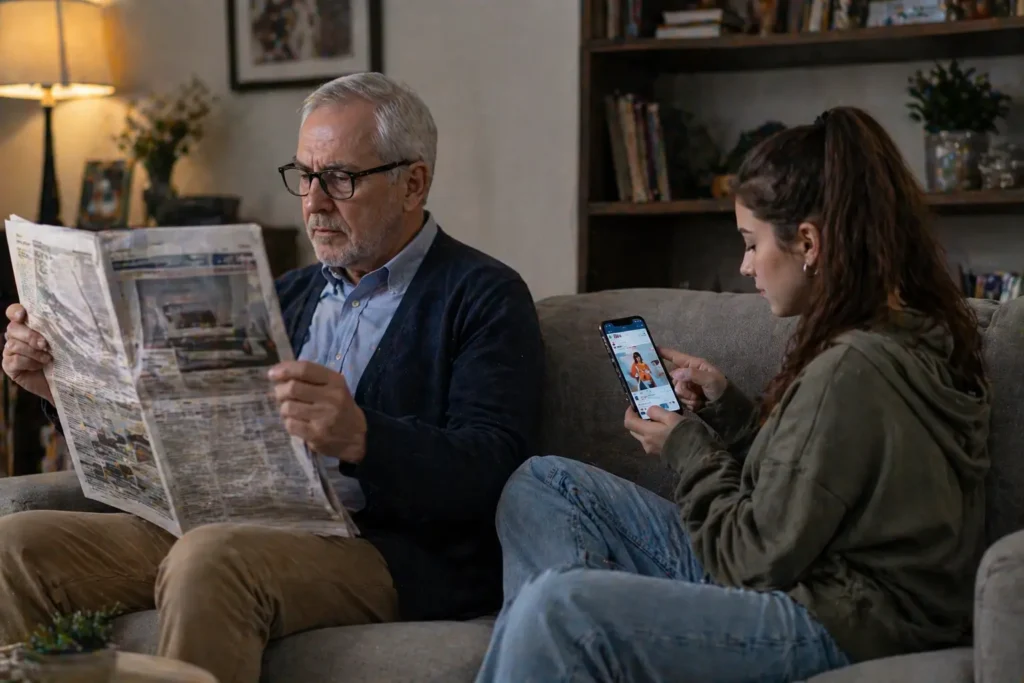
Traditional marketing falls short in digital spaces, e-commerce, and virtual engagement, where younger generations spend most of their time.
Here’s where the gap becomes really obvious. About 73% of Gen Z prefer discovering brands through social media posts instead of traditional marketing tactics. Meanwhile, Baby Boomers grew up with different habits, and marketing channels built for them don’t work anymore.
A comparison between these two worlds in events shows clear differences:
Live Events vs. Virtual Engagement
Think about the last conference you attended. How many attendees were under 30? You might count them on one hand, while the rest of the room leaned older. That highlights a clear gap. Now, traditional trade shows and conferences do not reach Gen Z audiences who prefer online communities.
In contrast, virtual events offer flexibility and accessibility that physical gatherings cannot match for digital-first generations (no travel costs, no time off work, and you can attend in your pajamas). This shows how differently each generation uses media.
Quick Tip: Use both formats to reach millennials and Gen Z more effectively. While younger audiences prefer online engagement, they still respond to in-person experiences when they feel relevant and interactive.
E-Commerce Expectations and Personalization
Younger shoppers expect smooth online experiences with quick checkout, easy returns, and mobile optimization. So e-commerce platforms built for desktops feel awkward to them.
More importantly, smart product suggestions based on browsing history beat generic email blasts every time. Our testing showed personalized content drove three times more clicks than batch campaigns.
This reflects a marketing trend where younger audiences prefer recommendations that match what they are looking for. This means e-commerce platforms that remember user preferences outperform traditional retail marketing approaches.
Adapting Your Approach: Marketing Trends That Actually Work
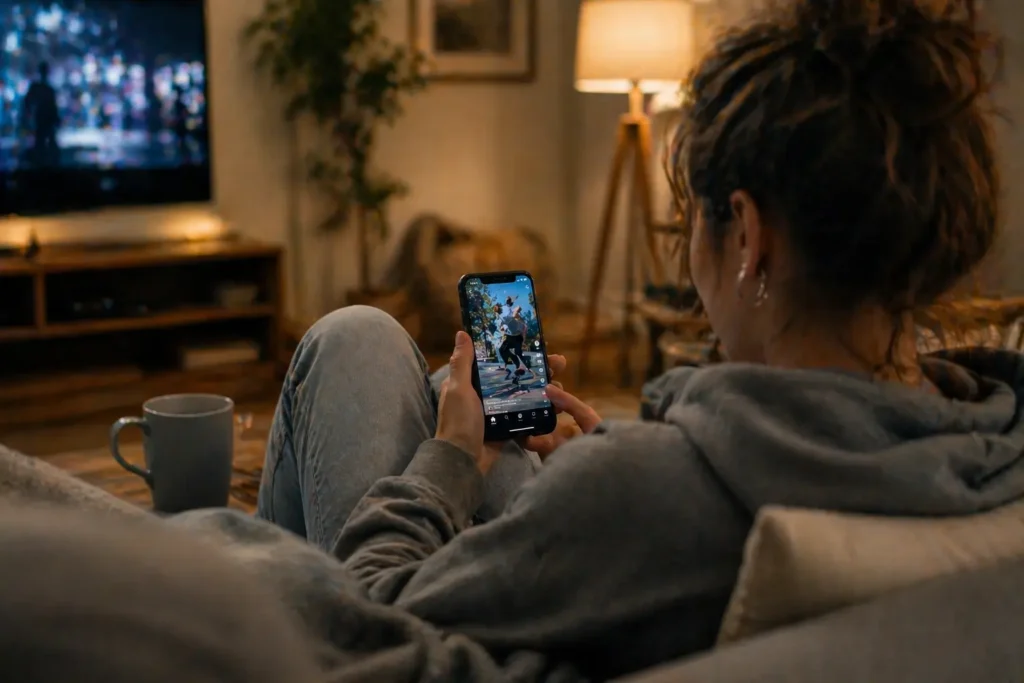
Now that you know what does not work, here’s what gets results with younger audiences.
- Short Form Video on TikTok and Reels: During short breaks, millennials tend to scroll through social media rather than watch long content. Quick clips match this behaviour, which is why they capture attention more effectively than traditional commercials.
- Influencer Partnerships Feel More Genuine: Micro-creators connect better than celebrity endorsements with target audiences because they feel like real people. As a result, content shared through these trusted voices builds engagement quickly.
- Online Communities Build Stronger Customer Loyalty: On platforms like Discord and Reddit, users interact instead of just consuming content. This ongoing participation creates deeper engagement and encourages real conversations around shared interests.
- Transparency Attracts Socially Conscious Consumers: Use AI and generative AI tools to share exclusive content about your business practices. When you clearly explain your services, sustainability efforts, and data policies, socially conscious consumers are more likely to trust your brand.
Pro Tip: Mix short-form video, influencer partnerships, and online communities instead of relying on a single channel. This approach helps you reach younger audiences more effectively and build stronger engagement across different touchpoints.
Make the Switch Before You’re Left Behind
Traditional marketing tactics no longer match how younger audiences engage. The gap between what baby boomers respond to and what Gen Z expects keeps growing.
Recent studies show that US consumers under 35 spend most of their time on social media platforms rather than watching linear TV. Also, more than half of Gen Alpha already has social media accounts before turning 13. New technology, like generative AI, has changed how younger generations discover brands.
Ready to connect with the next generation? The-M-Age helps brands build marketing campaigns designed for how millennial consumers and Gen Z spend their time online.
Visit our website today to start reaching the customers that traditional marketing keeps missing.