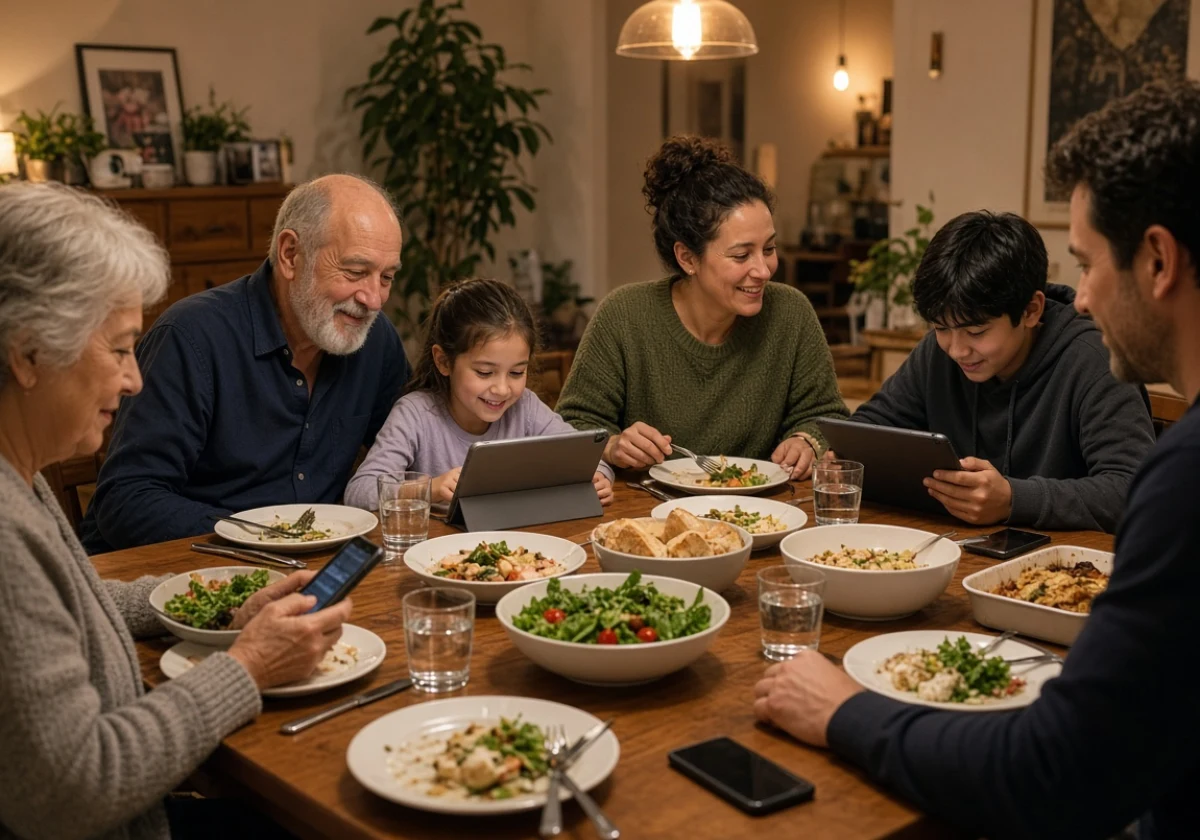
Think about the technology you grew up with. Maybe you remember waiting for your turn on the family computer, getting your first cell phone, or discovering social media for the first time. Now compare that with someone who grew up with smartphones and instant access to the internet. Their experiences are bound to be different.
But what does that mean for the way each generation uses technology today? The M-Age team explores that connection, looking at how different generations use their devices, approach social media, communicate, and adapt to new technology.
How Different Generations Grew Up With Technology

Hand a baby boomer and a teenager the same smartphone, and you might notice a difference in how they approach it. One might head straight for the features they need, while the other switches between messaging, social media, videos, and a dozen other things without thinking twice. Neither approach is unusual. They reflect the different technology experiences each generation grew up with.
Let’s look at three generations and the experiences that helped build their relationship with technology.
Baby Boomers: Technology as a Practical Tool
For baby boomers, much of the technology they use today arrived during adulthood. They grew up before personal computers, cell phones, and the internet became household essentials. When these technologies eventually entered their lives, they often came with specific purposes, such as making work easier, staying in touch, or accessing information.
That early experience helps explain why some baby boomers approach technology with a practical mindset. They might use a smartphone for calls, banking, navigation, and video chats without feeling the need to explore every new app or feature.
But that doesn’t mean they’re uncomfortable with newer technology. Many baby boomers use social media, smart home devices, and digital health tools. Their habits simply show that familiarity with technology doesn’t always mean wanting to use every available feature.
The Millennial Generation Learned the Internet in Stages
Millennials experienced a very different transition compared to boomers. Many remember using landline phones and family computers before the internet became part of everyday life. They then watched dial-up connections give way to broadband, cell phones become smartphones, and early social networks develop into the platforms people use today.
Growing up through these changes meant learning new technology as it arrived. Millennials experienced both sides of the transition: they remember some everyday activities before they went digital, but they’re also comfortable carrying them out online.
This background helps explain their familiarity with different digital platforms. They might remember signing up for their first instant messaging account or social media profile. Now, they use apps for almost everything, including work, shopping, entertainment, and communication. In other words, technology has evolved alongside their everyday lives.
Generation Z: Growing Up in an Always-Connected World
Some of us remember when getting online meant switching on a computer, waiting for the connection, and hoping nobody needed the phone line. Now, watching Gen Z move between social media, messaging apps, videos, and online searches can feel like looking at a completely different world. For them, these activities have been part of everyday life since childhood.
Perhaps that’s why Gen Z tends to move so comfortably between different digital platforms. Smartphones and social media aren’t new additions that they’ve had to learn to navigate as adults. They’ve grown up using them to communicate, find information, and entertain themselves.
Still, growing up online doesn’t mean accepting every new technology without question. A Gallup poll on Gen Z found that 51% of the respondents in the US use generative AI at least weekly. Yet the same poll reports growing negative feelings towards AI. Regular use, it seems, doesn’t necessarily translate into complete trust.
How Does Digital Behavior Differ Across Social Media and Devices?
Social media preferences vary across generations, as do the devices people use to access them. Baby boomers are more likely to favor established platforms such as Facebook, while younger users have embraced platforms such as TikTok and Instagram. The differences also extend to how people spend their time online.
The table below gives you a snapshot of some common generational preferences.
| Generation | Popular platforms | Common devices | Typical online activities |
|---|---|---|---|
| Baby Boomers | Facebook, YouTube | Smartphones, tablets, desktops | Keeping in touch, reading news, watching videos |
| Gen X | Facebook, YouTube | Smartphones, laptops | Watching videos, reading reviews, work-related communication |
| Millennials | Instagram, Facebook, YouTube | Smartphones, laptops | Messaging, online shopping, streaming, podcasts |
| Gen Z | TikTok, Instagram, Snapchat | Smartphones | Short-form videos, messaging, social discovery |
These differences aren’t strict rules, of course. Plenty of baby boomers use Instagram, and younger generations regularly turn to Facebook and YouTube. What changes is often the way people use these platforms and what they expect to get from them.
Bridging the Generational Gap at Work and Home
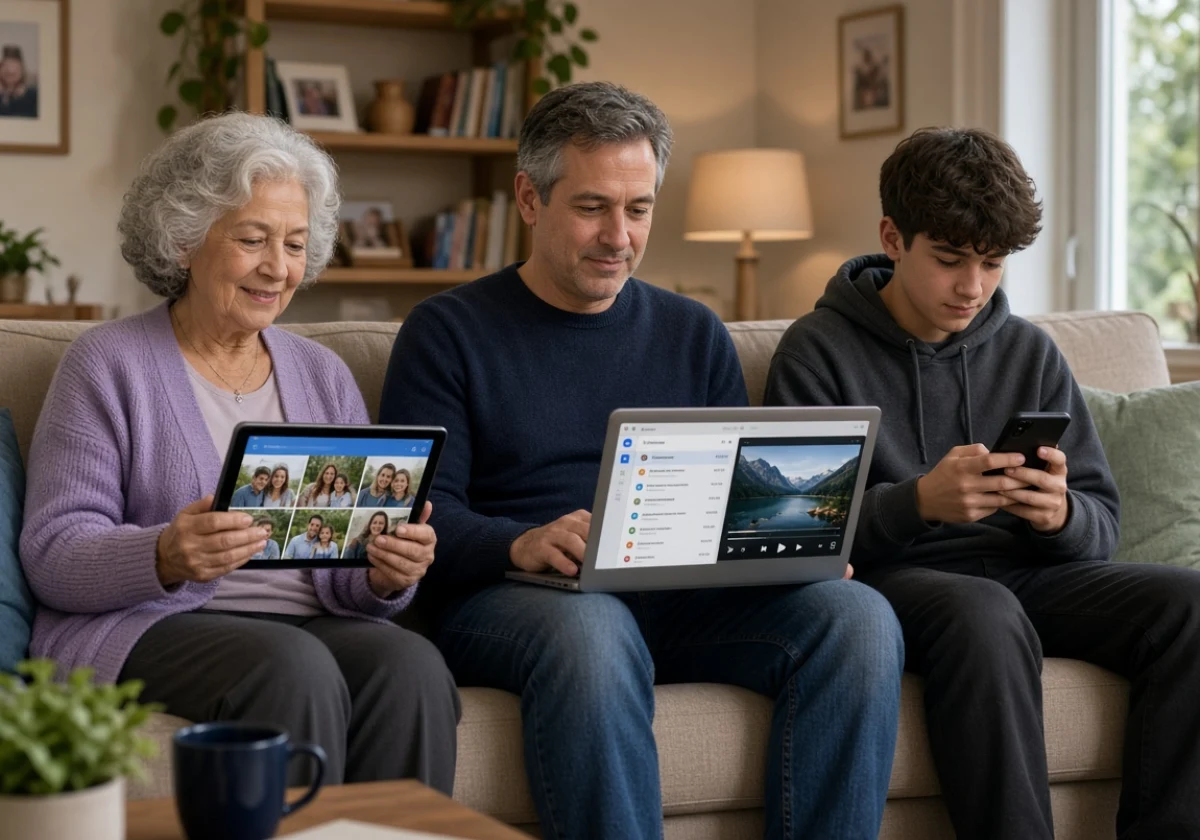
Different technology habits don’t always have to create friction. In fact, when generations work or live together, those differences can become opportunities to learn from one another. Someone who has spent years working with established systems might have plenty to teach a younger colleague. Meanwhile, that colleague might introduce them to tools that make everyday tasks easier.
This exchange can be particularly useful in the workplace. Older employees often bring years of industry knowledge and experience with established processes. Younger colleagues, meanwhile, may be more familiar with newer digital tools and platforms. Pairing people with different strengths gives them a chance to share what they know rather than expecting everyone to learn in the same way.
The same exchange happens at home, too. Think about how often a younger family member gets called over to set up a new phone, troubleshoot an app, or explain a feature on the television. Parents and grandparents might rely on them for technical help. But they also bring their own experience when it comes to online safety, privacy, and deciding which technology is worth using.
Ultimately, bridging generational differences isn’t about getting everyone to use technology identically. It’s about recognizing what each generation brings and making room for people to learn from one another.
Consumer Trends Shift as Each Generation Comes of Age
The differences between generations don’t stop at how we communicate or use technology at work. They also influence how we discover products, compare options, and decide where to shop. Someone who grew up researching purchases on a computer may approach the process differently from someone who regularly discovers products through modern media.
A few areas show how these habits can differ:
- Product Research: Online reviews, comparison websites, social media posts, and video demonstrations all help shoppers assess products. Some people prefer reading detailed reviews and checking specifications, while others find short videos or recommendations from creators more useful. Familiarity with different platforms can influence where each person looks first.
- Shopping Channels: Online stores and mobile shopping apps make it possible to browse and buy without visiting a physical shop. However, some shoppers still like to see a product in person, particularly when they want to check its size, quality, or finish. Others are comfortable comparing options and completing the entire purchase on their phones.
- Brand Relationships and Privacy: Social media and personalized recommendations have changed how people discover brands. Younger shoppers may be more accustomed to finding brands through social platforms, while some older consumers may rely more on familiar retailers or recommendations from friends. Not to mention, shoppers of any age may hesitate to share personal information when they don’t know how a company will use it.
These differences don’t mean every person in a generation shops the same way. Age, experience, income, and individual preferences all play a part. Still, the technology people grow up using can influence which shopping tools feel familiar and which experiences they trust.

Put Generational Technology Use to Work
Over to you. Which generational technology difference have you noticed most in your own life? Do your habits reflect the generation you grew up in, or have you picked up a few from younger or older family members and colleagues? Share your thoughts in the comments.
And if you’re looking to understand how millennial audiences think, buy, and share across digital platforms, explore how The-M-Age approaches audience research. Contact our team to discuss how we can help you connect with the people you’re trying to reach.