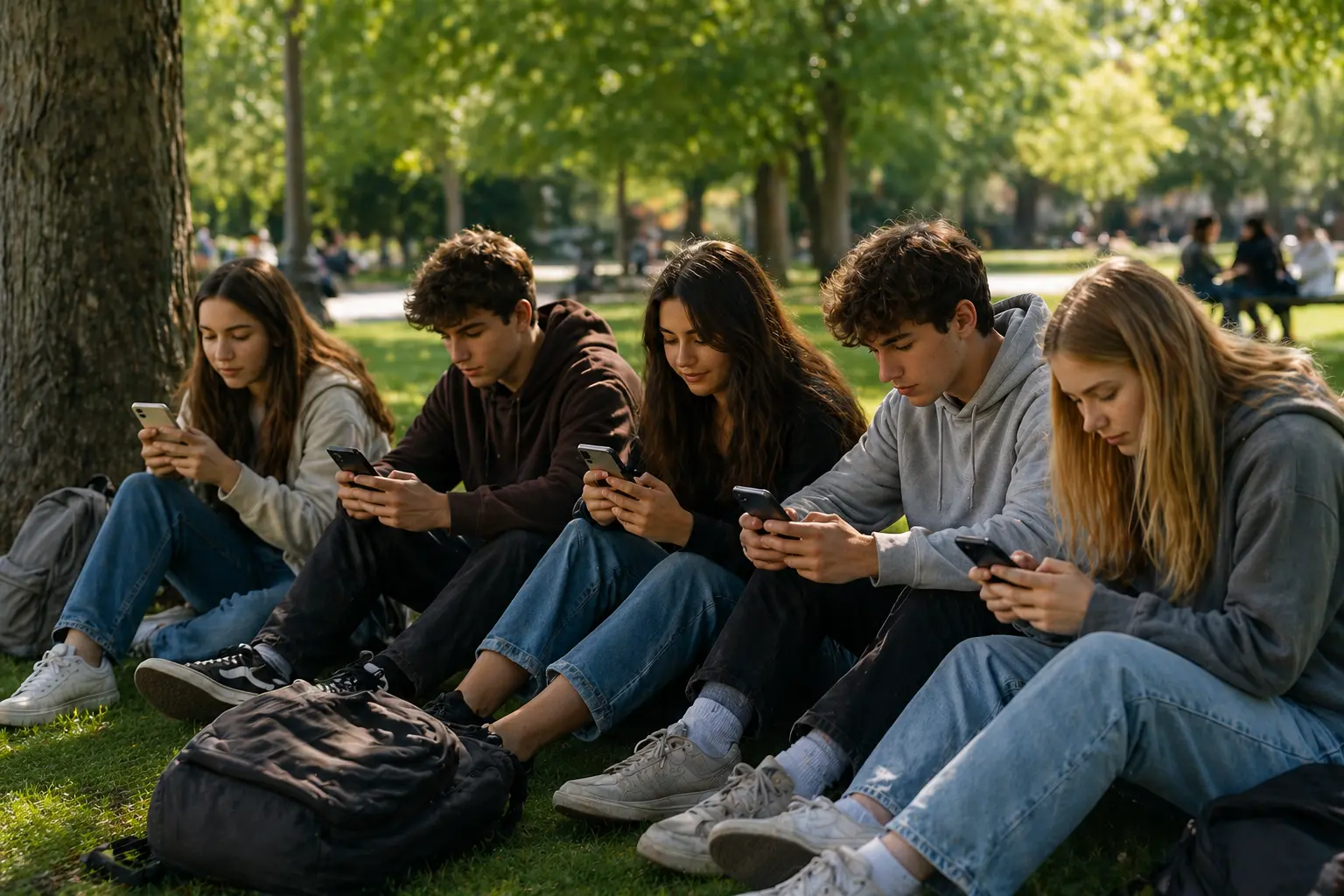
Millennial buying behaviour in 2026 centres on experiences, digital convenience, and brands that stand for something original.
This generation grew up watching technology reshape everything around them. And they’ve quickly adapted to changing technology in how they communicate, shop, and interact with the world around them.
Their spending habits changed, too. They started buying fewer physical items and spent more on things like healthier food, fitness, education, and tools that make daily life easier.
As a result, consumer trends among millennials today reflect a group that is informed, selective, and harder to impress. They research before they buy, question brand motives, and expect more from the companies they spend money with.
The Spending Power Millennials Bring to the Table
Millennials now represent over $2.5 trillion in annual spending power globally. Brands that ignore that number risk losing a huge consumer base.
This generation is a dominant consumer force. Below, we’ll cover how millennials’ spending habits influence marketing strategies.
Experiences Over Material Goods and What That Costs Brands

The upside of understanding this shift is that experience-led campaigns consistently outperform product-first messaging with millennial audiences.
Meaningful experiences have replaced material possessions for many millennials. They prioritize travel, dining, live events, and personal growth over accumulating stuff. Companies focused on product-first campaigns, they risk falling behind by selling products instead of experience.
Honestly, the emotional pull of an experience beats a feature list almost every time. Shifting that focus is where millennial engagement begins.
Personal Stability Is Now a Buying Signal
Most people assume millennials are driven by trends and impulse. The reality is closer to the opposite.
In reality, years of economic uncertainty, rising interest rates, and student debt have pushed this group toward spending with personal stability in mind. Millennial parents now focus on financial security, family needs, and new life stages over spontaneous purchases.
That shift has a clear message for brands. Millennial consumers respond to reliability and long-term value, which influence buying decisions, savings, and brand loyalty.
How Millennial Consumer Behaviour Sits Between Gen X and Gen Z
Millennials are more digitally fluent than Gen X, yet more research-driven and deliberate in their purchases than Gen Z.
To see how this generation compares to others, here is a quick overview:
|
|
Gen X |
Millennials |
Gen Z |
|---|---|---|---|
|
Shopping Style |
Prefers In-Store Shopping |
Online + Research |
Social Commerce |
|
Brand Relationship |
Familiar Brands |
Values-Driven |
Trend-Driven |
|
Tech Comfort |
Moderate |
High |
Native |
|
Purchase Driver |
Reliability |
Experience + Value |
Speed + Price |
That table tells a big part of the story. Gen X leans on brand familiarity built over the years. Meanwhile, Gen Z moves fast on social platforms and peer recommendations. And millennials are right in the middle. They are comfortable shopping online, but unwilling to skip the research phase that previous generations never had access to.
As digital natives who grew up alongside the internet, their consumer behaviour reflects both worlds. And for marketers, that middle-ground position is useful to understand.
Millennial Spending Habits Brands Need to Plan Around
Brands that build strategy around millennials alone are leaving a fast-growing audience on the table. That is why a clear view of millennial spending habits means you stay relevant today and ready for what comes next.
A few things to keep in mind while marketing to Millennials:
Spending Habits Brands Need to Plan Around
Know where millennial dollars are going. This gives your brand an advantage in positioning and messaging.
Overall spending among this generation has grown increasingly intentional. As we already mentioned, they research and compare more, and also expect brands to meet them with relevance. Frankly, they are buying into what a brand stands for.
Two spending categories stand out as worth planning around right now.
Tech-Driven Purchases and Payment Flexibility
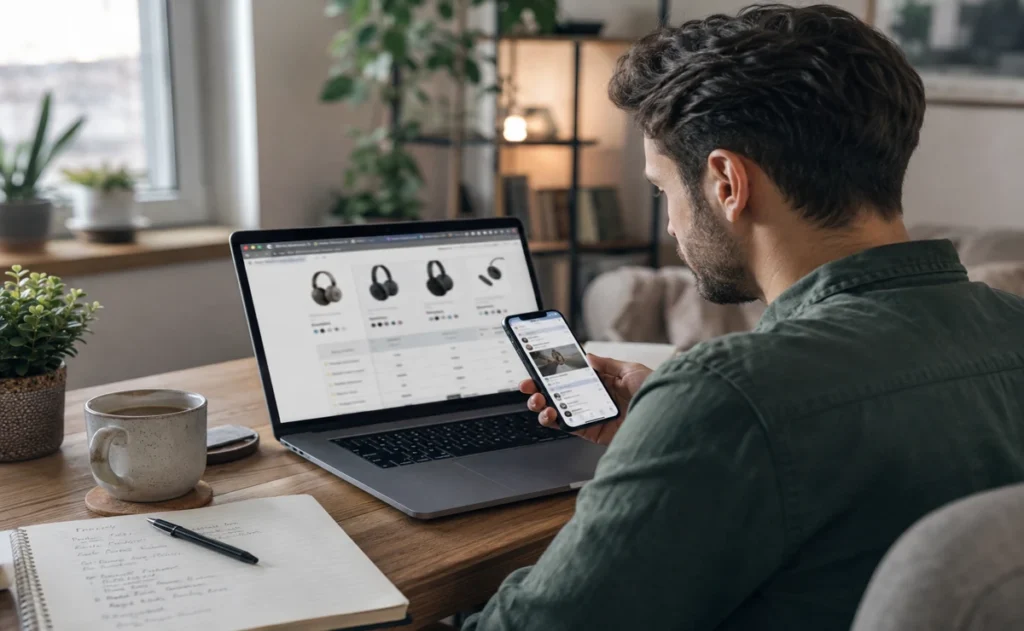
Millennials are multi-device shoppers who expect flexible payment options as a standard part of the buying experience. For instance, mobile payment innovations such as tap-to-phone technology are making checkout quicker and more flexible for both businesses and customers.
The way they integrate technology into decision-making is drawing attention. Many millennials cross-reference reviews in social media channels and use AI tools to compare options. And they demand brands to show up wherever they are shopping online.
Loyalty programs and personalized offers also carry weight here. Marketers who meet this consumer where they are often see stronger results.
Health, Wellness, and Values-Based Spending

For millennials, health and wellness have grown into a major lifestyle choice. So these sectors have become one of their biggest and most consistent spending priorities.
They are spending more slowly on mental health, clean-label food, and fitness across the board. This group also actively researches brand ethics before purchasing. Many millennials prefer private labels and smaller brands that align with their values over legacy brands.
Authenticity is now a main expectation for brands looking to win over this audience. Customers in this segment are cost-conscious, socially aware, and quick to move on from anything that feels put-on.
Taken together, these two spending priorities tell a consistent story. Millennials want technology that fits their life and brands that reflect their values. Businesses that deliver on both are the ones building real, lasting customer relationships.
Connecting Generations Through Meaningful Marketing

Right now, the brands winning are the ones treating the millennial and Gen Z strategy as one conversation. Both groups move across the same digital spaces, share similar expectations, and often influence each other’s purchasing decisions in real time. Even minor shifts in approach can make your message resonate broadly.
These are practical ways to connect with both millennials and Gen Z:
- Build Around Shared Values: Brands that have a clear purpose usually connect better with people of all ages. For example, a brand that openly shares how it sources materials and treats workers is likely to earn trust from both millennial and Gen Z audiences.
- Show Up on Social Platforms: Each generation uses social media platforms differently, but both are there. Consistent presence across channels keeps your brand visible to consumers at every stage of their buying journey.
- Plan Your Approach by Generation: Broad, unfocused campaigns rarely land with any generation. When you focus on the specific habits and priorities of each gen, your campaigns perform much better across the board.
Bridging generations through meaningful marketing depends on a simple approach: understand what each generation wants, show up accordingly, and loyalty will follow. For additional insights into connecting with younger generations, explore this guide on modern marketing trends.
Ready to Rethink How You Reach Millennials?
Now you have a clearer picture of millennial buying behaviour. The next step is putting that understanding to work in your brand strategy.
Millennial consumers’ priorities are quite consistent: experiences over things, values over hype, and brands that communicate with respect and clarity. Marketers who research those priorities and focus their messaging accordingly build stronger brand loyalty. That holds true across every generation they serve, from Gen X professionals to millennial parents.
Here at The-M-Age, we cover the consumer trends and brand strategies that keep marketers ahead of these shifts.