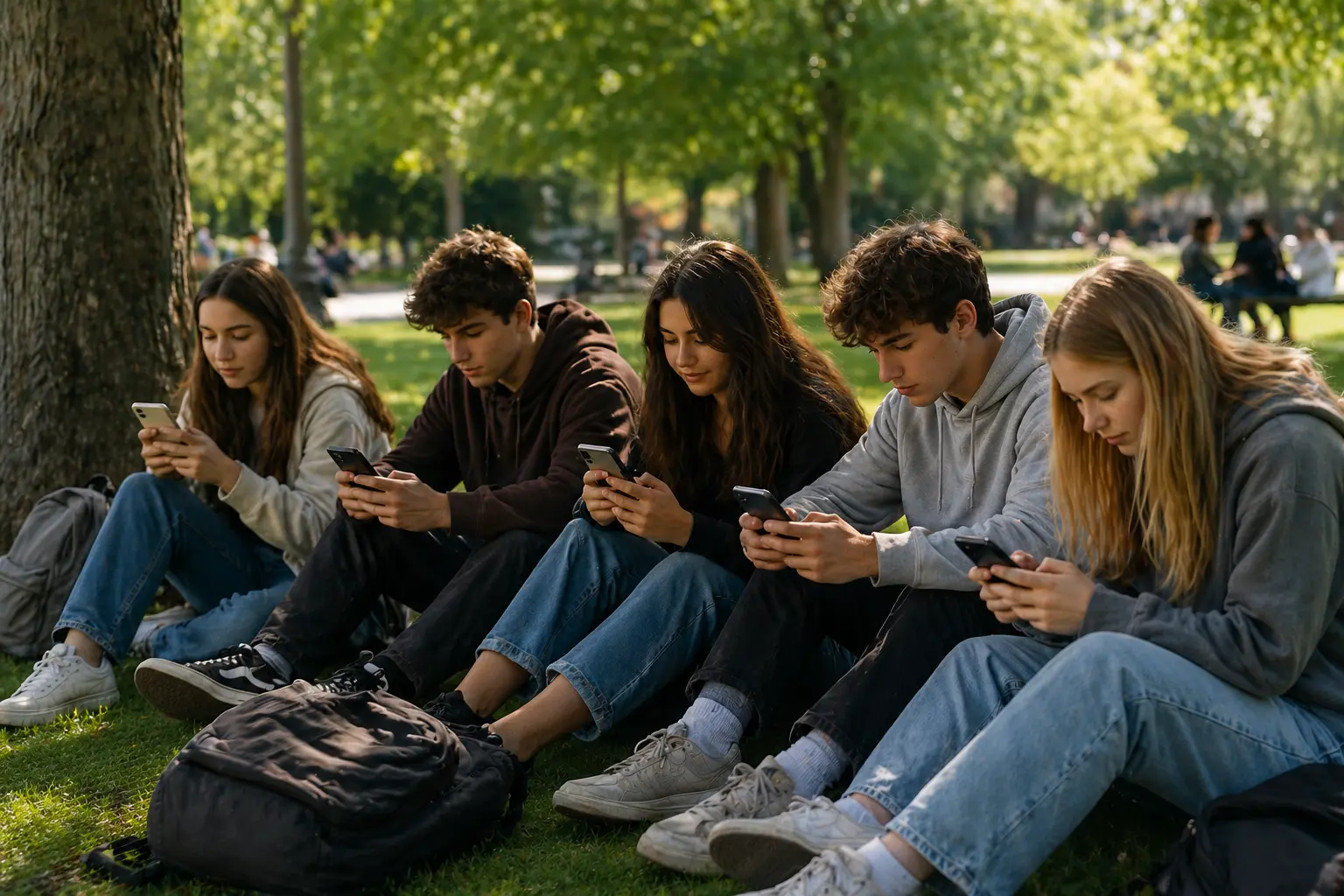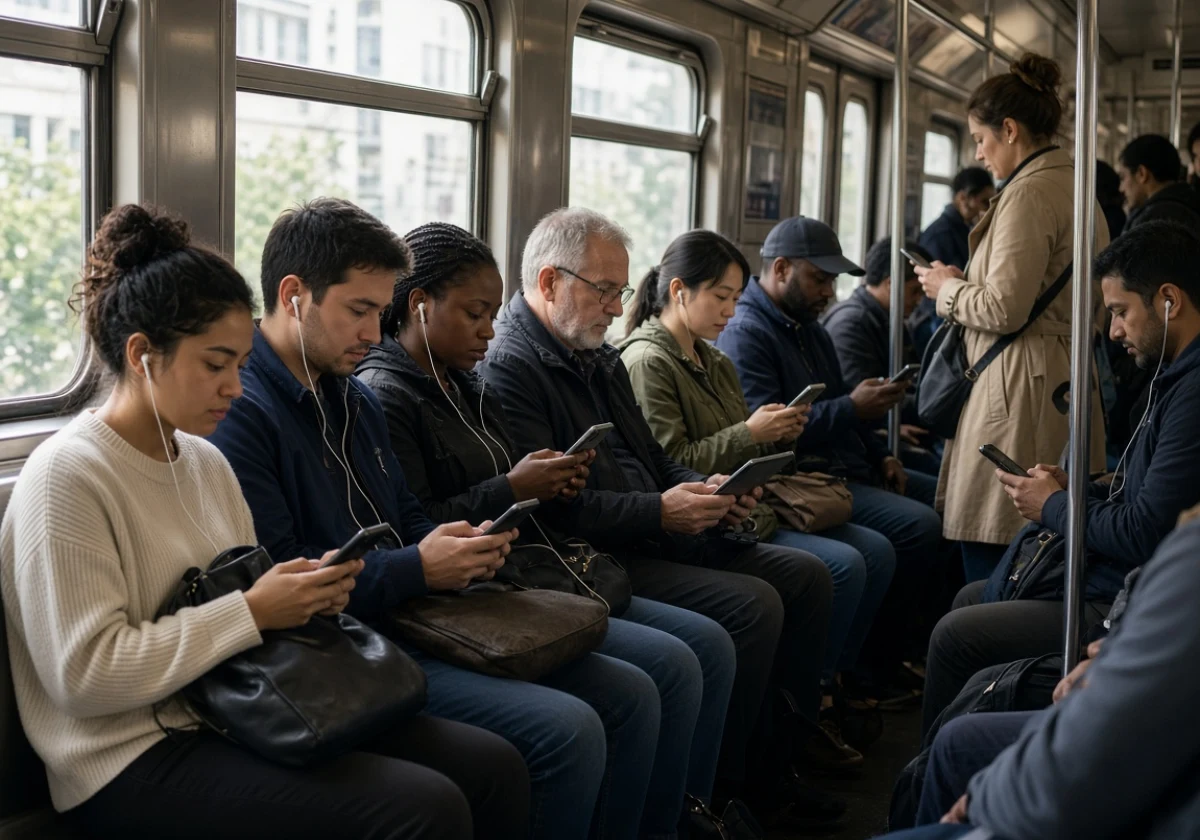
Modern media has changed information discovery by replacing scheduled broadcasts with algorithm-driven feeds people check throughout the day. You no longer wait for the six o’clock bulletin because the story reaches your phone long before that.
That shift rewrote how brands reach their audiences, and we track it every week at The-M-Age. Audiences now choose the platform, the moment, and the format themselves.
This guide covers where the daily hours really go, how feeds rank stories, and how streaming stacks up against broadcast. You’ll also see how habits split by age group.
Digital Media Consumption Has Moved From Scheduled to On Demand
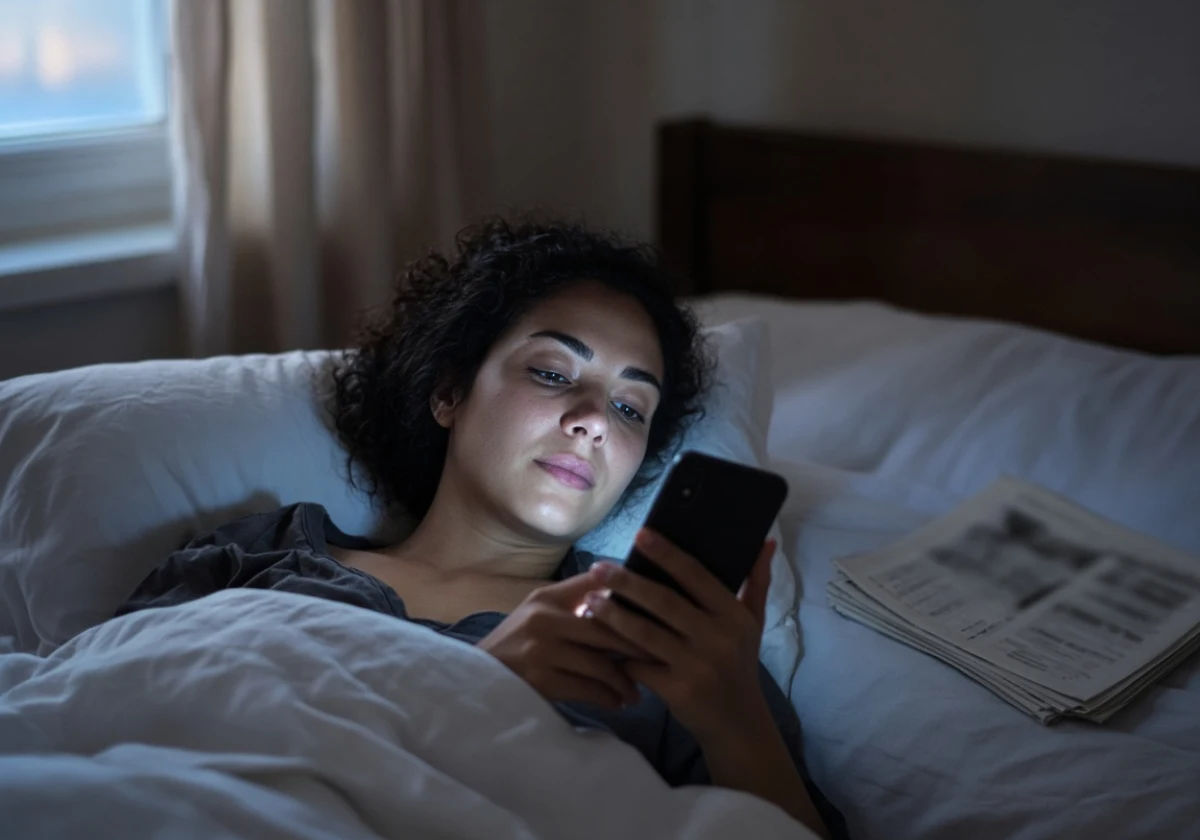
Modern media consumption spreads across the whole day, and digital media fills the hours that broadcast schedules once owned. Different forms of media compete for that same hour, and the winner changes by the minute.
The three shifts below explain how the daily total slipped off the broadcast schedule and onto your own clock:
How News Consumption Shifted Towards Mobile Media Feeds
Print once set the clock for the news day. Papers landed at dawn, so you learned about yesterday’s events over breakfast.
Now your phone refreshes the news every few minutes (you’ll get the alert long before a headline would hit print). What arrives is a steady drip of information rather than one delivery you sit and wait for.
If you’ve checked your screen before getting out of bed, you already know this habit. People graze across sources between tasks, which is why digital news consumption now happens in short bursts instead of one sitting.
Why Streaming Platforms Replaced the TV Schedule
Streaming platforms replaced the TV schedule because they took away the wait. Now you choose when to press play and watch your favourite programmes on your own schedule.
Control over timing also changed what people finish. Some viewers finish a whole season in a weekend, something fixed broadcast slots never allowed.
Even so, TV still takes up a large share of leisure time. The US Bureau of Labor Statistics reports that watching TV occupied 2.6 hours a day in 2025, about half of all leisure time (5.2 hours).
The Rise of Online Video and Podcasts
Online video and podcasts grew because they fill the gaps inside a normal day. Commuters listen while driving, and shoppers watch while waiting in line.
Creators also publish faster than a studio can approve a single script. That speed keeps YouTube and Spotify stocked every morning, and video consumption follows wherever the supply goes.
From what we see tracking millennial media trends, short clips hold attention that long articles lose. Audio does the same job for anyone whose hands are already busy.
How Do Social Media Feeds Decide What You See?

Social media feeds use algorithms to rank stories, often giving users a different selection from an editor’s front page. What reaches you depends on your past taps rather than an editor’s front page. The rise of social media moved that decision from the newsroom to the ranking system.
Once you see the three mechanics behind that ranking, almost every feed you open starts to make sense:
- Engagement Signals Rank Stories: Likes, shares, and watch time decide which posts travel furthest. A story with early engagement reaches further than a better-reported one.
- Personalization Narrows Your Feed: Because every tap teaches the system, two social media users on the same street open Facebook and see different news. Your interests set the mix more than any news desk does.
- Creators Compete With News Media: Independent voices post updates beside established outlets on Instagram all day. Readers often learn who broke a story only after they’ve shared it.
Together, these three factors show why your feed offers a filtered view of the day’s news. The system prioritises stories you’re likely to engage with, even when other news deserves attention. Understanding how algorithms rank content helps you see how audiences find information and create posts that encourage early engagement.
Streaming vs. Traditional Media Consumption: Where Time Spent Is Going
Time is shifting toward the platforms your audience already uses. Digital News Report findings put social media and video networks ahead of both TV and owned news websites and apps as news sources.
This table lines up both sides on what changes your reach:
| Factor | Traditional broadcast media | Streaming and social |
|---|---|---|
| Timing | Fixed schedule | On demand |
| Discovery | Editors choose | Algorithms rank |
| Ad buying | Sold by time slot | Sold by audience |
Planning around that split is simpler than it looks (mornings still belong to broadcast in many households). Streaming and social fill the rest of the day, so changes in media consumption show up first in where consumers meet brands. That’s why your budget works harder following audiences through ranked feeds than booking a fixed slot and waiting for viewers to arrive.
Tracking Media Consumption Habits Across Generations

With those platform shifts clear, the next question is how each generation builds its own consumption habits. Age predicts where someone looks first far better than income or job title does, and online behaviour splits along the same line.
Gen Z starts inside TikTok and YouTube, treating search as something you do within an app. Millennials split attention between streaming and social, and plenty still pay for one news subscription.
Older adults in the United States keep TV and radio in the daily routine, so their news still arrives through scheduled bulletins. You probably notice that split inside your own family at dinner.
Measuring media consumption across generations takes more than one survey (ask about devices first rather than only the channels). In our reporting on millennial audience habits, the device answer predicts the format answer almost every time.
Marketing teams read those patterns to see where each generation spends its time before they place a message. Advertising on a single platform rarely reaches two generations at once, which is why each buy needs its own plan.
Stay Ahead of Shifting Trends in Media Consumption
Media consumption habits keep changing, and algorithmic feeds influence which stories many people encounter first. The channels keep changing, yet the habit of checking in all day stays put.
So audit where your own audience spends its attention before you commit another budget. Watch which formats hold people past the first few seconds, then build around those.
We follow millennial media habits for marketers at The-M-Age. Contact us to talk through your audience and plan where your next message goes.